- calendar_today July 11, 2026
As Nevada and much of the American West confront unprecedentedly low snowpack levels in 2026, the challenge of wildfire prevention is taking on greater urgency. Utilities across the region are adapting their strategies to address the increased wildfire risk, seeking solutions that minimize power disruption while safeguarding communities.
Power Shutoffs Spark Debate Amid Dry Conditions
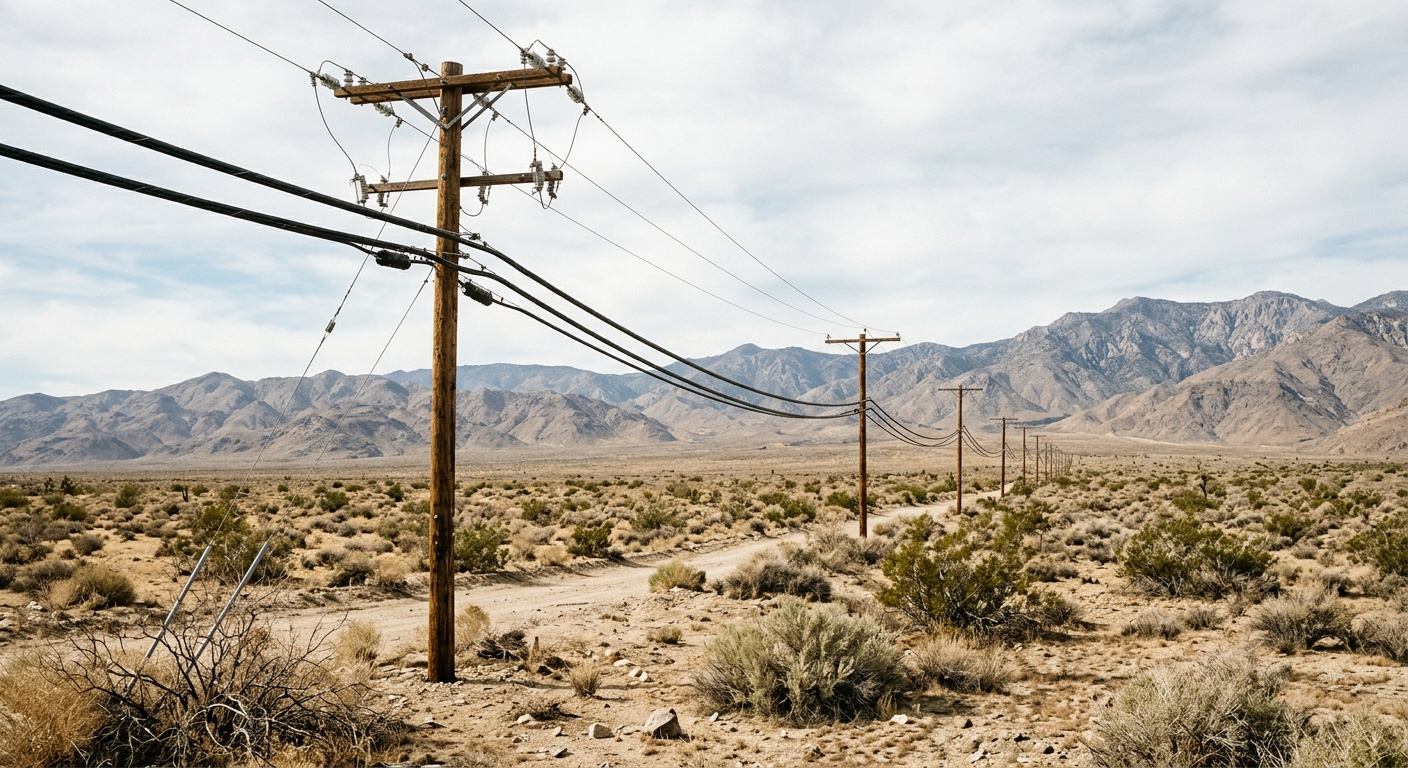
With vegetation dried to tinder by persistent drought, utilities in Nevada have at times relied on power shutoffs to mitigate potential ignition sources during high-wind events. This proactive measure, first adopted broadly in California, quickly drew mixed reactions from residents who faced hours or even days without electricity. In Nevada’s rural and urban communities alike, the tension between energy reliability and fire risk remains a pressing concern.
From Blackouts to Covered Conductors
Industry experts emphasize that relying exclusively on preemptive blackouts is neither a sustainable nor community-friendly approach. Instead, utilities are turning to physical upgrades across the electric grid. A leading example is the installation of covered conductors—insulated power lines less likely to spark when met by flying debris. Southern California Edison has demonstrated the technology’s effectiveness, and Nevada utilities are exploring similar investments in power line insulation to address wildfire risk without large-scale outages.
Grid Modernization with Fast Trip Breakers and Advanced Software
Grid modernization continues with the deployment of fast trip breakers, which respond instantly to faults, cutting power locally before a potential spark can ignite brush. When combined with topology optimization software, these systems can intelligently isolate problem areas and reroute electricity, ensuring that only a small fraction of customers are affected during emergencies. This targeted approach to electric grid safety helps keep broader Nevada communities powered while reducing the risk of fire ignition events.
AI Sensors and Real-Time Monitoring Revolutionize Wildfire Prevention
The integration of cutting-edge technology, including AI sensors and smart cameras, marks a significant leap forward in wildfire prevention. These devices provide real-time feedback on weather conditions, line health, and local threats, allowing operators to make more precise decisions. Instead of broad, disruptive responses, utilities can now act with surgical precision, addressing elevated wildfire risk only where it exists and maintaining service elsewhere.
A Vision for a Safer, Smarter Electric Grid
Utility officials in Nevada recognize that the region’s future power infrastructure must evolve. Efforts focus on building a risk-aware, dynamic grid: insulated wiring and targeted underground lines where feasible, a network of AI-driven sensors for monitoring, and advanced software to guide smart responses. Collectively, these investments support Nevada’s goal of keeping communities safe without sacrificing power reliability.
Balancing Energy Delivery and Safety Amid Climate Change
As climate-driven challenges intensify, Nevada’s approach to wildfire prevention is being closely watched throughout the West. By moving away from widespread power shutoffs and embracing innovations such as covered conductors and AI sensors, utilities are demonstrating that it is possible to provide resilient, safe, and reliable energy. These steps, united by the overarching goal of electric grid safety, exemplify the promise and necessity of modernizing critical infrastructure for the era ahead.