- calendar_today September 9, 2026
The arrival of a super El Niño this winter has put Nevada in the spotlight as climatologists point to an unprecedented climate event. Forecasts based on significant Pacific Ocean warming indicate that this super el nino could bring Pacific temperatures more than 2.5 degrees Celsius above normal, the highest anomaly recorded since 1950. Nevada, known for its weather variability, stands at a crossroads of both opportunity and uncertainty as the region prepares for possible impacts on winter precipitation, drought conditions, and local recreation industries.
El Niño Forecast Signals a Historic Climate Event
According to climate experts, the current el nino forecast highlights exceptionally strong Pacific Ocean warming. Historically, a strong el nino can significantly alter atmospheric patterns, resulting in jet stream shifts and increased winter precipitation across parts of the United States. However, Western regions like Nevada display a complex relationship with El Niño events, as responses in local weather cycles have proved difficult to predict.
Mixed Outcomes in Past Nevada Weather Patterns
Historically, super El Niño events have been associated with varied weather outcomes in Nevada. While some years brought well above-average rainfall and winter snowfall, others saw only modest increases. This inconsistency is attributed to the unpredictable trajectory of the jet stream shifts, which can either funnel moisture toward the state or divert it elsewhere. As such, Nevada weather is once again closely monitored by both scientists and the public.
Impacts on Ski Resort Conditions and Local Recreation
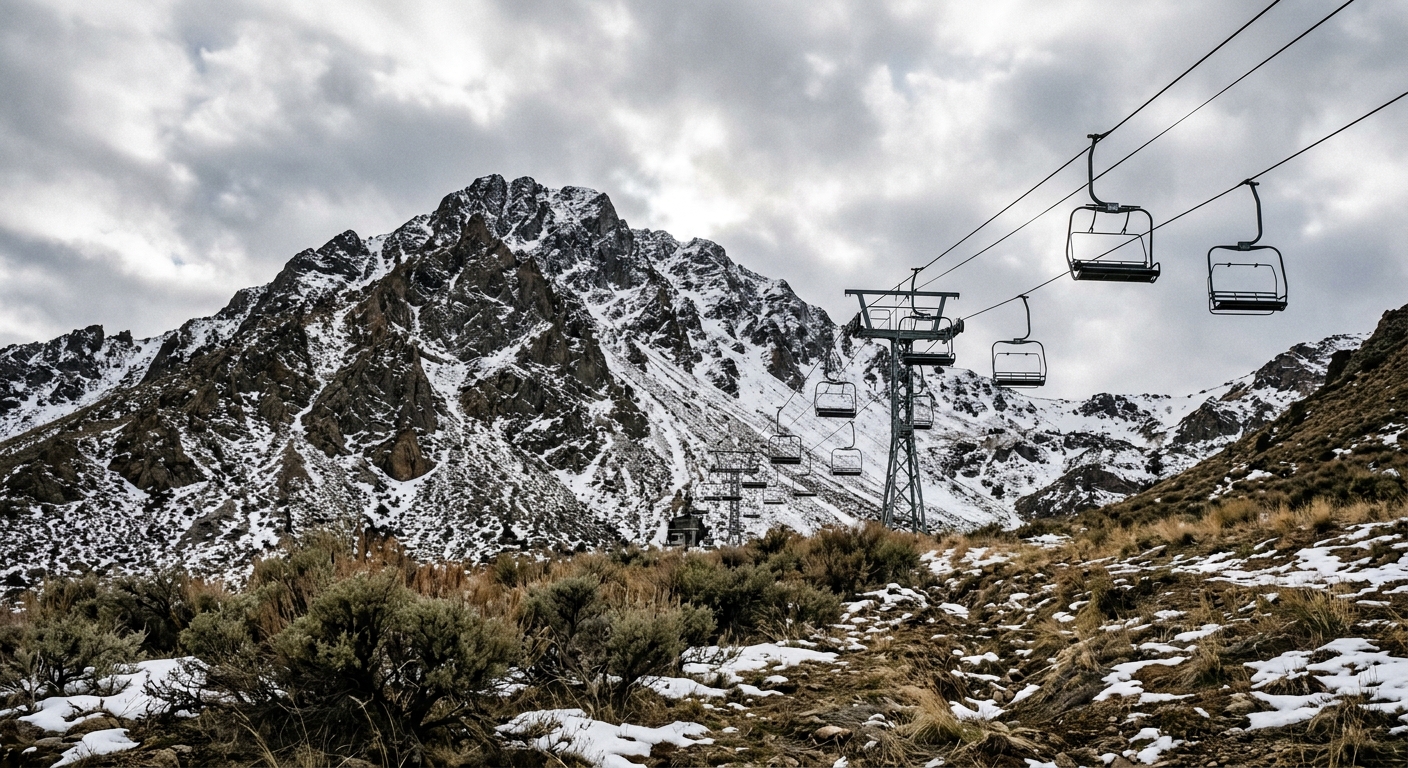
Regional ski resorts are particularly invested in the outcome of this year’s super el nino. Many operators are expressing cautious optimism, hoping for a surge in winter snowfall that could boost business after a recent spell of dry and warm seasons. Enhanced ski resort conditions not only benefit recreational enthusiasts, but also stimulate local economies during peak winter months throughout Nevada.
Western U.S. Drought and the Colorado River Basin
The broader context in which this super El Niño arrives is the ongoing western us drought. The Colorado River Basin, supplying water to millions across multiple states, is especially sensitive to changes in seasonal precipitation. A single wet winter would provide temporary relief, but climate scientists emphasize that sustained improvements—through several consecutive wet years—are necessary to meaningfully address the persistent drought conditions impacting both the upper and southern portions of the Colorado River Basin.
The Science of Super El Niños and Pacific Ocean Warming
Super El Niños are defined by striking increases in Pacific Ocean warming. This warming is responsible for shifting atmospheric patterns, which in turn can lead to dramatic changes in winter precipitation distribution. As jet stream shifts occur, regions like Nevada are left with forecasts that vary year by year. The unpredictability inherent in these events complicates efforts to plan for water resource management and disaster preparedness throughout the region.
Looking Ahead: Hopeful Yet Cautious
Although projections suggest that this super el nino could lead to a wetter winter for parts of Nevada, experts stress that no two events are exactly alike. Warmer temperatures predicted across much of the Western U.S. could mean that precipitation may fall as rain rather than snow, affecting downstream reservoirs and the ski industry. Local authorities, climatologists, and residents are closely watching for developments in Nevada weather as winter intensifies.
Ultimately, while the super El Niño brings potential for improved water supplies and enhanced winter recreation, its true impact remains to be seen. Scientists reiterate that accurately predicting Nevada’s winter snowfall and overall outcomes remains a challenge, but the region is preparing for all scenarios as this historic climate event unfolds.