
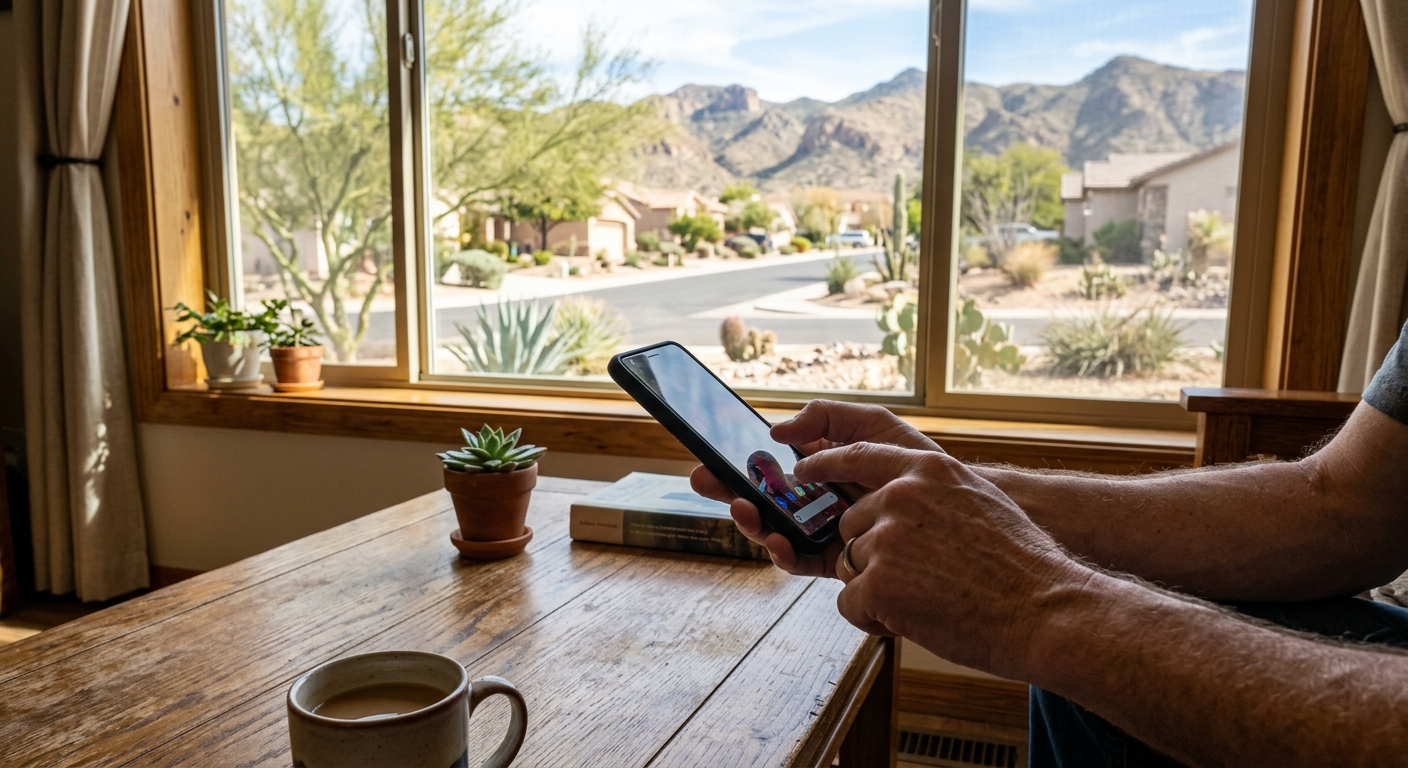
AI-generated illustration; not a photograph of the reported event.
- calendar_today October 9, 2026
Introduction: The Shift to Digital News Consumption
Digital devices have become the primary way that Americans access news, but how people interact with news online varies widely. The Pew Research Center, in partnership with the Knight Foundation as part of the Pew-Knight Initiative, recently conducted a comprehensive survey to investigate the different ways Americans engage with news online.
Private vs. Public Online News Engagement
The pew research survey, conducted from July 9 to December 5, 2025, found that private news interaction is the most prevalent form of news sharing online among U.S. adults. In the week prior to the survey:
- 56% said they had privately chatted about or shared news online, such as through messaging apps, websites, or social media direct messages.
- 45% reported they had liked or saved posts about news.
- 26% had publicly posted, shared, or commented on news online—a much less common practice.
These findings indicate that while digital platforms are central to news consumption digital behavior, most engagement takes place out of public view.
Political News Engagement: Differences Across the Spectrum
The survey analyzed how political affiliation influences online news engagement. While overall rates of engagement were similar across parties, those at the ends of the political spectrum were more active:
- Liberal Democrats were the most likely to engage privately, with 69% saying they had privately chatted about or shared news online in the past week. Among moderate or conservative Democrats, the figure was 54%.
- Conservative Republicans were also more likely than their moderate or liberal party counterparts to engage privately (58% compared to 50%).
- Public news posting was most common among liberal Democrats (29%) and conservative Republicans (28%).
These trends highlight the role of political identity in shaping Americans' online news habits, particularly in how likely individuals are to participate in both private news interaction and public news posting.
Age Differences in Online News Engagement
Young adults are more likely than older Americans to participate in certain types of news likes shares and private interactions:
- 65% of adults aged 18-29 had privately chatted about or shared news online, compared to 56% of those 30-49, 52% of those 50-64, and 53% of those 65 and older.
- 59% of young adults liked or saved news posts—much higher than the 32% among those 65 and older.
However, when it comes to public news posting, rates were similar across all age groups, with about a quarter in each group posting or sharing news publicly online. This suggests that generational differences are more pronounced in private forms of engagement than in public ones.
Research Approach and Methodology
The findings are drawn from the Pew Research Center’s Cross-Sectional Engagement Survey, which included 5,393 U.S. adults. Respondents participated online, on paper, or by telephone, with multiple follow-ups to ensure diverse representation. The survey is part of a broader project exploring civic participation, from voting and volunteering to following the news and taking part in community or religious activities.
Detailed methodology and response data are available from Pew Research Center, allowing for further exploration of these trends by researchers and the public.
Conclusion: The Evolving Landscape of Online News Engagement
The Pew-Knight Initiative’s latest study provides a nuanced picture of how Americans engage news online. Most engagement, especially among younger adults and those with strong political identities, occurs through private conversations and liking or saving posts. Public displays of news engagement remain relatively uncommon, highlighting a preference for private over public interaction with digital news.
For more information or related research, visit the Pew-Knight Initiative page at Pew Research Center.
Source: pewresearch.org.


