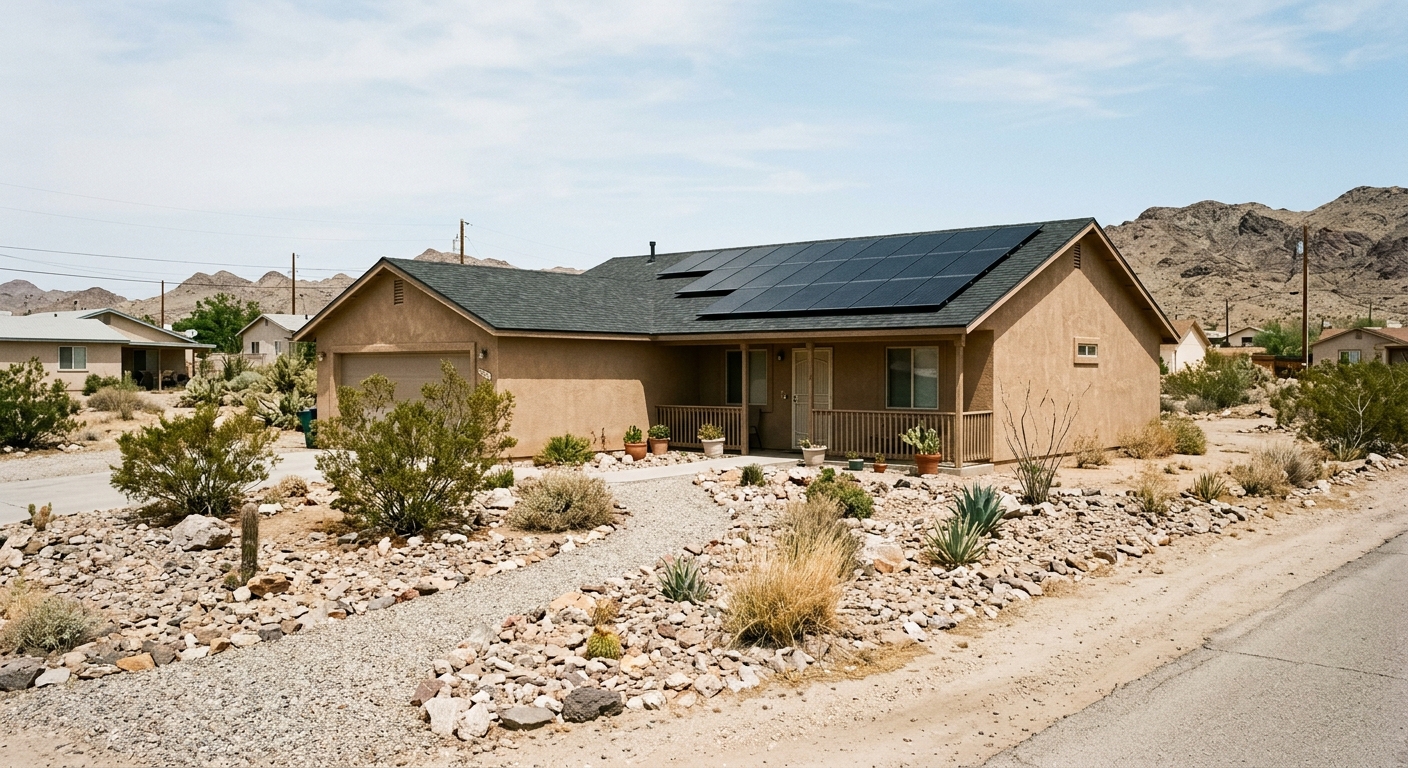
AI-generated illustration; not a photograph of the reported event.
- calendar_today September 23, 2026
LAS VEGAS, Nevada – The climate change conversation in Nevada is undergoing a strategic transformation as local leaders and voters shift their focus to economic concerns, fundamentally reshaping the state’s political discourse.
Climate Change Debate Adapts to Economic Realities in Nevada
Once a central campaign issue, climate change in Nevada politics has become increasingly intertwined with affordability and economic stability. Recent election cycles reflect this shift, with Democratic candidates and state leaders like Governor Joe Lombardo and Attorney General Aaron Ford emphasizing job growth and household savings associated with clean energy initiatives. This reframing aligns with a statewide trend: climate challenges are now being discussed through the lens of practical impact and cost-of-living concerns rather than as standalone environmental issues.
Nevada’s Environmental Leadership and Renewable Energy Goals
Historically, Nevada has been recognized for setting ambitious renewable energy targets and pioneering pro-environment policies. The state’s desert geography and abundant solar potential have been harnessed in expansive clean energy projects. Yet, as priorities shift toward energy affordability and direct economic benefits, lawmakers and supporters note that climate change remains vital, even if the rhetoric has softened.
Voter Opinions Steer Political Messaging
Recent public opinion surveys reveal a declining percentage of Nevada voters ranking climate change among their top voting issues. Some attribute this to the region’s economic pressures, such as rising housing and utility costs. However, experts stress that issues often viewed separately—such as water shortage, wildfire prevention, and air quality—are directly linked to climate-related trends. Political strategists point out that effective climate advocacy increasingly requires connecting environmental policy to daily economic realities for Nevada families.
Water Concerns Highlight Environmental Priorities
Water scarcity has emerged as a central theme in Nevada politics, especially as population growth and industrial expansion—like the recent rise in data centers—strain local resources. Fears about water usage now influence both public policy and voting trends. Advocacy groups feel that integrating water management and resource security into the larger environmental policy discussion could revitalize community engagement, even when “climate change” is not explicitly mentioned.
Economic Framing of Clean Energy Initiatives
Clean energy remains a cornerstone of Nevada’s environmental agenda. State incentives for solar, geothermal, and wind projects are often promoted less for their long-term environmental impact and more for immediate savings, job creation, and community resilience. By focusing on clean energy‘s role in economic development, policymakers hope to ensure broad support for ambitious initiatives, even as explicit mentions of climate change diminish in campaign materials.
Connecting Everyday Concerns to Environmental Solutions
Environmental groups in Nevada are responding to evolving voter priorities by tailoring their messages. Rather than direct calls for action on climate change, advocates spotlight the economic and health benefits of environmental measures. Wildfires, droughts, and dusty air—once seen as isolated environmental issues—are now positioned as key reasons for increased environmental policy innovation. This local focus aims to bridge the gap between scientific consensus and public sentiment, making abstract risks tangible for Nevada residents.
Shifting Priorities Reflect Broader Trends
The pivot from pure climate advocacy to an emphasis on affordability and resource security reflects changes not only in Nevada but across the western United States. By grounding policies in economic reality, leaders seek to maintain momentum on critical issues even as national attention fluctuates. Institutional stakeholders, from utility companies to community organizations, underscore that sustainable progress in Nevada will require balancing political discourse, fiscal responsibility, and environmental stewardship for the foreseeable future.