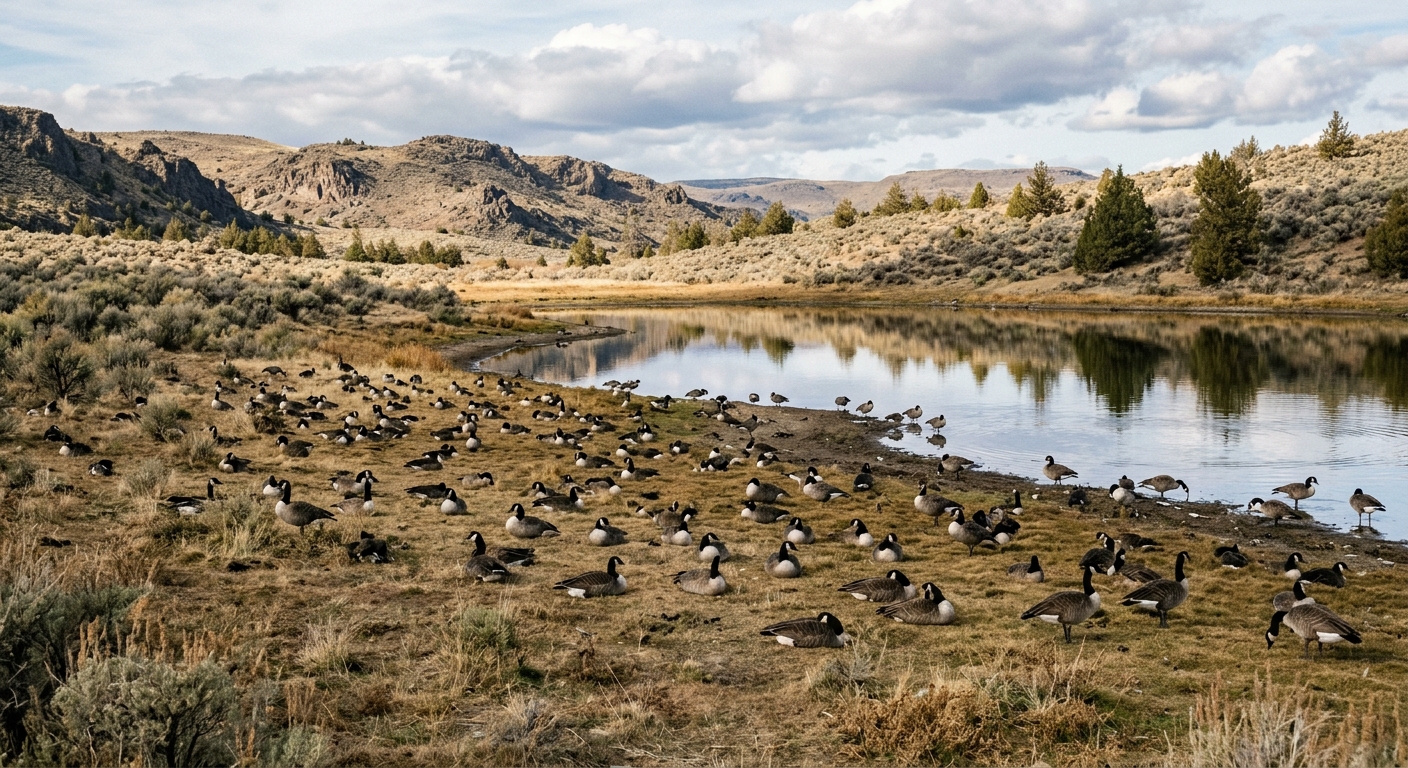
AI-generated illustration; not a photograph of the reported event.
- calendar_today October 14, 2026
Bird Flu Confirmed Among Geese in Reno-Sparks
Nevada wildlife and public health authorities have confirmed an outbreak of highly pathogenic avian influenza—commonly known as bird flu—affecting several flocks of geese in the Reno-Sparks region. The situation has prompted a coordinated response among multiple state agencies to manage and limit the spread of this transmissible wildlife disease.
Coordinated Response by State Agencies
The Nevada Department of Wildlife, Department of Agriculture, and Division of Public and Behavioral Health are working together to address the avian flu outbreak. All three agencies advise residents to remain vigilant, report sightings of sick geese, and exercise caution when encountering dead birds. These measures aim to prevent further spread of both the avian influenza virus and related poultry disease outbreaks.
Understanding Avian Influenza and Its Impact
Bird flu is a contagious viral disease that primarily affects wild birds, particularly waterfowl, and domestic poultry. While it is possible for the highly pathogenic avian influenza strain to infect livestock and humans, such transmission is considered rare. Signs of infection in birds include:
- Coughing or sneezing
- Discharge from the eyes or nose
- Swelling around the eyes
- Poor balance or abnormal head/neck positioning
- Diarrhea and overall weakness
- Sudden, unexplained death
Wild waterfowl may carry the virus with few or no obvious symptoms, but certain species of geese and other birds can experience severe illness and death. Domestic poultry are especially vulnerable, with the Nevada Department of Wildlife noting mortality rates potentially exceeding 90% in affected flocks.
Guidance for the Public and Poultry Owners
Reporting and Handling Sick or Dead Geese
Residents who observe sick geese should avoid interacting with the animals. The public is encouraged to keep children and pets away and report the location of the birds to the Nevada Department of Wildlife by calling 775-688-1500. For dead geese found in city parks, Reno residents should call the city parks office at 775-334-2270. Those using Washoe County Parks can contact 775-828-6612.
Safe Disposal and Disease Prevention
If dead waterfowl are found on private property, officials recommend wearing gloves, an N95 mask, and eye protection when handling carcasses. The remains should be double-bagged and placed in municipal trash for disposal. After contact with dead geese, poultry owners are urged to change their clothing and footwear before caring for their flocks to minimize disease risk.
Preventative Measures for Poultry Keepers
Poultry owners should protect their birds by keeping them in secure enclosures, away from potential contact with wild waterfowl. Other disease prevention steps include disinfecting equipment, storing feed securely, and monitoring for illness. Any unusual symptoms or unexpected deaths in domestic flocks should be reported to a veterinarian and, for high mortality cases, directly to the Nevada Department of Agriculture at diseasereporting@agri.nv.gov.
Potential Human Health Concerns
Although human cases of bird flu are uncommon, the risk exists if individuals have unprotected contact with infected birds, carcasses, or contaminated surfaces. Symptoms in humans may include fever, cough, sore throat, breathing difficulties, eye irritation, headache, body aches, congestion, diarrhea, and vomiting. Those experiencing symptoms after exposure to a sick or dead bird should contact a health care professional and disclose their potential exposure to avian influenza.
Find More Information
For further guidance and updates on the avian flu outbreak, visit the Nevada Department of Wildlife or Nevada Department of Agriculture websites. The coordinated efforts of state agencies will continue as they monitor and address this bird flu outbreak affecting geese and poultry in the region.
Source: thisisreno.com.