- calendar_today July 10, 2026
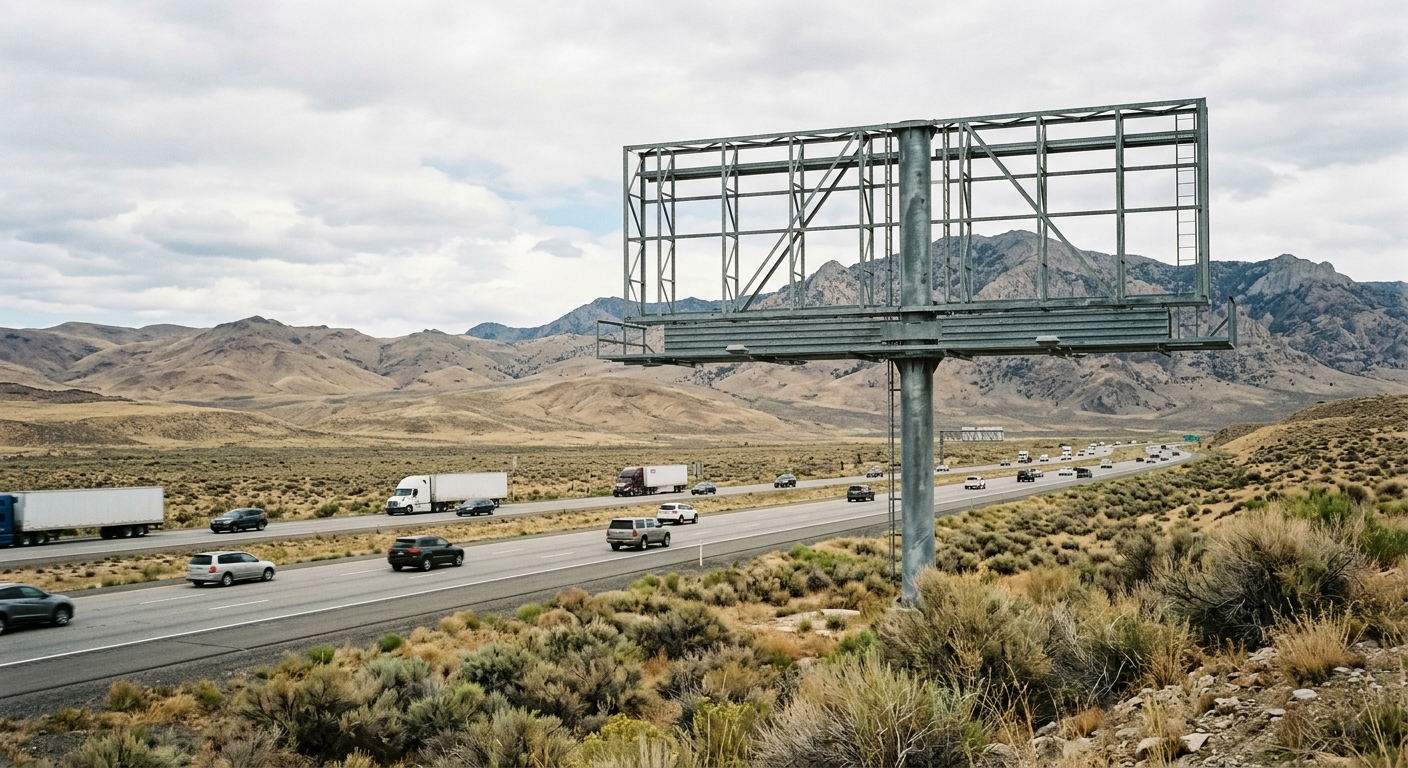
The debate over a proposed Reno Neon Line District sign in Nevada has intensified, drawing attention from city officials, legal experts, and community groups as Jacobs Entertainment seeks approval to raise a towering sign along Interstate 80. The 60-foot sign, intended to showcase the district’s commercial resort developments, sits at the heart of a local controversy over the definition and use of public signage in the region.
Legal Definitions and Signage Classifications
Jacobs Entertainment’s application to install the sign on property belonging to the Reno Masonic Memorial Gardens has brought focus to the complex distinctions within the Reno municipal code, particularly the use of the term “area identification sign.” According to the City of Reno, this classification exempts the structure from billboard regulation and traditional public review processes. While area identification signs are typically used to mark neighborhoods or districts, critics assert that this particular installation acts more like a commercial billboard intended to promote a private resort enterprise than simply to designate an area.
Billboard Regulation and Ongoing Legal Dispute
The issue has fueled a legal dispute involving advocate group Scenic Nevada, which opposes what it views as a circumvention of billboard regulation. Their argument: the Reno Neon Line District sign primarily advertises Jacobs Entertainment and the associated resort attractions, not merely the geographic district itself. The distinction became a matter for the courts after the city’s 2023 development agreement with Jacobs was challenged. In that year, a district court ruled against two of three signs outlined in the development agreement, specifically classifying the sign on cemetery-owned land as a billboard.
Nevada Supreme Court Decision Impacts Public Signage
The ensuing appeals culminated in a Nevada Supreme Court decision in May 2025. The Court sided with the City of Reno, confirming that the signage qualified as “area identification” and stating that Scenic Nevada lacked legal standing to challenge the installation. This pivotal decision established statewide precedent regarding the interpretation of area identification signage, affecting future public signage proposals across Nevada and beyond. Despite the court’s ruling, local voices persist in questioning whether the Interstate 80 sign, prominently advertising the commercial ventures of Jacobs Entertainment, aligns with the intent and letter of city signage codes.
Development Agreement Criticisms and Public Input
At the core of the disagreement is the scope and substance of the city’s development agreement with Jacobs Entertainment. Critics note that the agreement grants Jacobs few obligations aside from erecting marketing infrastructure, offering limited tangible benefits to the broader Nevada community. Calls for the inclusion of public amenity requirements—such as affordable housing or park spaces—have grown louder, with some local organizations urging city leaders to revisit terms that currently prioritize commercial signage over community needs.
Community Voices and the Future of the Reno Neon Line District
The ongoing debate impacts more than legal frameworks—it touches the everyday experience of residents and commuters who travel the bustling I-80 corridor. As the interstate 80 sign project proceeds through city review, officials have opened avenues for public comment, inviting input ahead of the staff evaluation deadline on July 24. The decision will likely influence future approaches to both commercial and area identification signs in Nevada’s urban landscape.
Regional Implications and Next Steps
The Reno Neon Line District continues to evolve as a landmark entertainment zone within Nevada, but the sign’s controversy underscores the delicate balance between commercial interests and community oversight. The outcome surrounding this high-profile signage battle may set important precedents for how developers engage with municipal codes, public input, and regulatory processes not just in Reno but throughout the state. Stakeholders across the region are watching closely as Nevada’s communities navigate the intersections of growth, branding, and public policy.