- calendar_today April 8, 2026
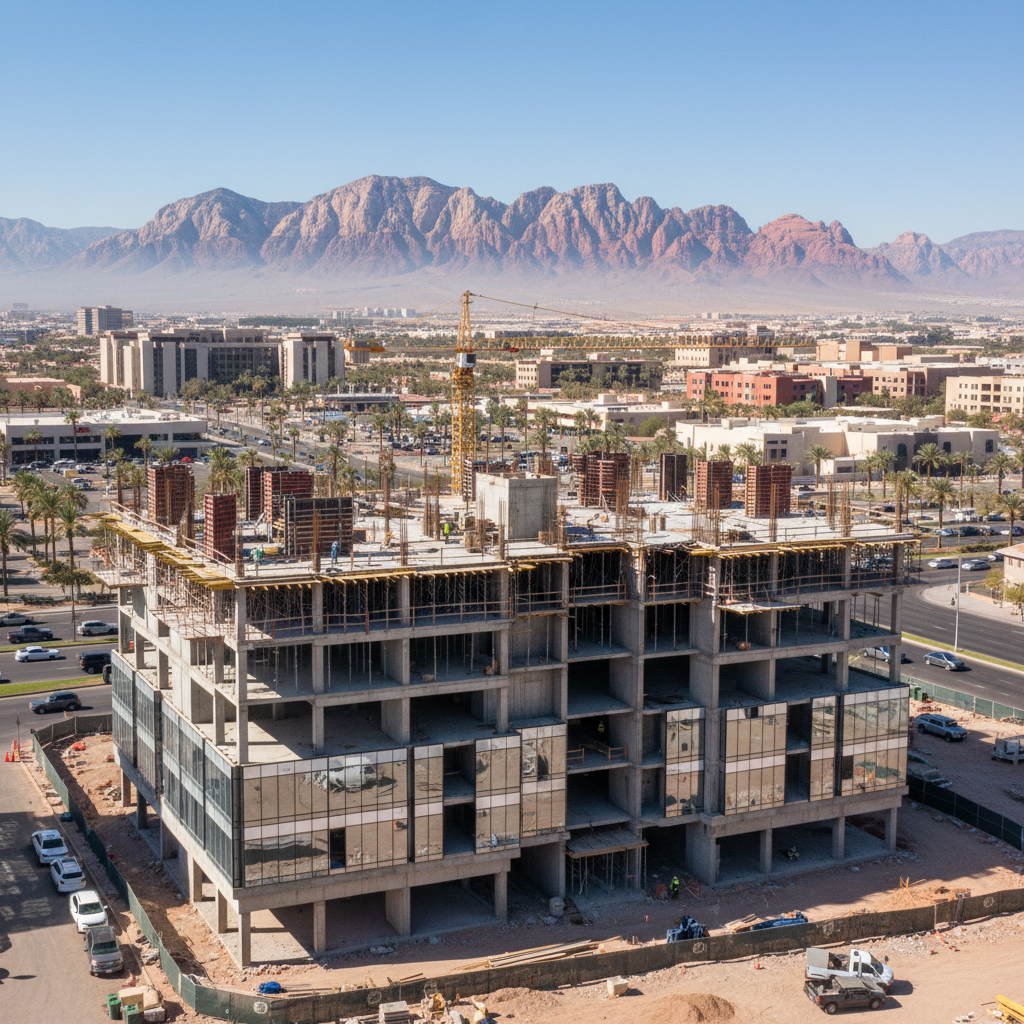
The city of Reno is evaluating a proposal that could reshape workforce housing in Nevada, as the Reno Redevelopment Agency Advisory Board recently reviewed a $24 million workforce housing project slated for downtown Reno. The project, led by Coldwater Capital, seeks to address the region’s acute housing needs by providing 107 new housing units at 521 Lake Street, directly across from the Reno Events Center.
Developers Seek Increased Tax Increment Financing
The developers have submitted a revised application requesting $3.1 million in tax increment financing, a substantial increase from the original $1.6 million sought. According to Mitch Morris, a representative for Coldwater Capital, this adjustment reflects a significant 16% hike in construction costs that has impacted the project’s overall feasibility. City officials and stakeholders recognize that without the enhanced tax increment financing, the workforce housing development may struggle to proceed.
Construction Costs Continue to Rise
Rising construction costs are a key factor behind the additional financing request. These expenses have increased across the state, and in Nevada, developers working on workforce housing projects are acutely affected. The challenges posed by inflation and supply chain disruptions add complexity to budgeting and planning for such initiatives, especially in areas like downtown Reno where demand for attainable rental housing remains high.
Workforce Housing Project Details
The proposed workforce housing project will offer 107 rental units, each averaging 400 square feet. According to documentation submitted to the Reno Redevelopment Agency, average rental rates are projected at $1,270 per month per unit. This rate aims to balance affordability with the financial viability needed to cover expenses, including higher construction costs and ongoing maintenance.
Impacts on Downtown Reno and Local Communities
Local officials hope that the development will benefit downtown Reno by increasing housing density near major event venues and transportation corridors. The location not only supports Nevada’s workforce by providing more accessible housing options, but is also poised to attract residents working in nearby businesses and the hospitality sector. The creation of new housing units aligns with citywide goals to retain and support essential workers.
Public Financing and Capital Improvement Budget
The increased request for tax increment financing from the capital improvement budget requires careful consideration by city leaders. City staff estimate that, after 2035, Reno will collect approximately $61,360 in property taxes annually from the workforce housing site, with revenues projected to total about $78,000 over a 30-year period. These anticipated property taxes bolster the fiscal case for supporting the housing development with incentives.
Next Steps for the Workforce Housing Initiative
The Reno Redevelopment Agency Advisory Board’s analysis underscores the importance of meeting established hurdle rates of return to ensure the project’s progress. As local and state leaders debate how best to invest resources from the capital improvement budget, the decision on tax increment financing will likely set a precedent for future housing development efforts across Nevada. The coordinated response from developers, city agencies, and the broader community highlights a shared commitment to addressing the increasing gap between rental rates and attainable housing in downtown Reno.