- calendar_today July 8, 2026
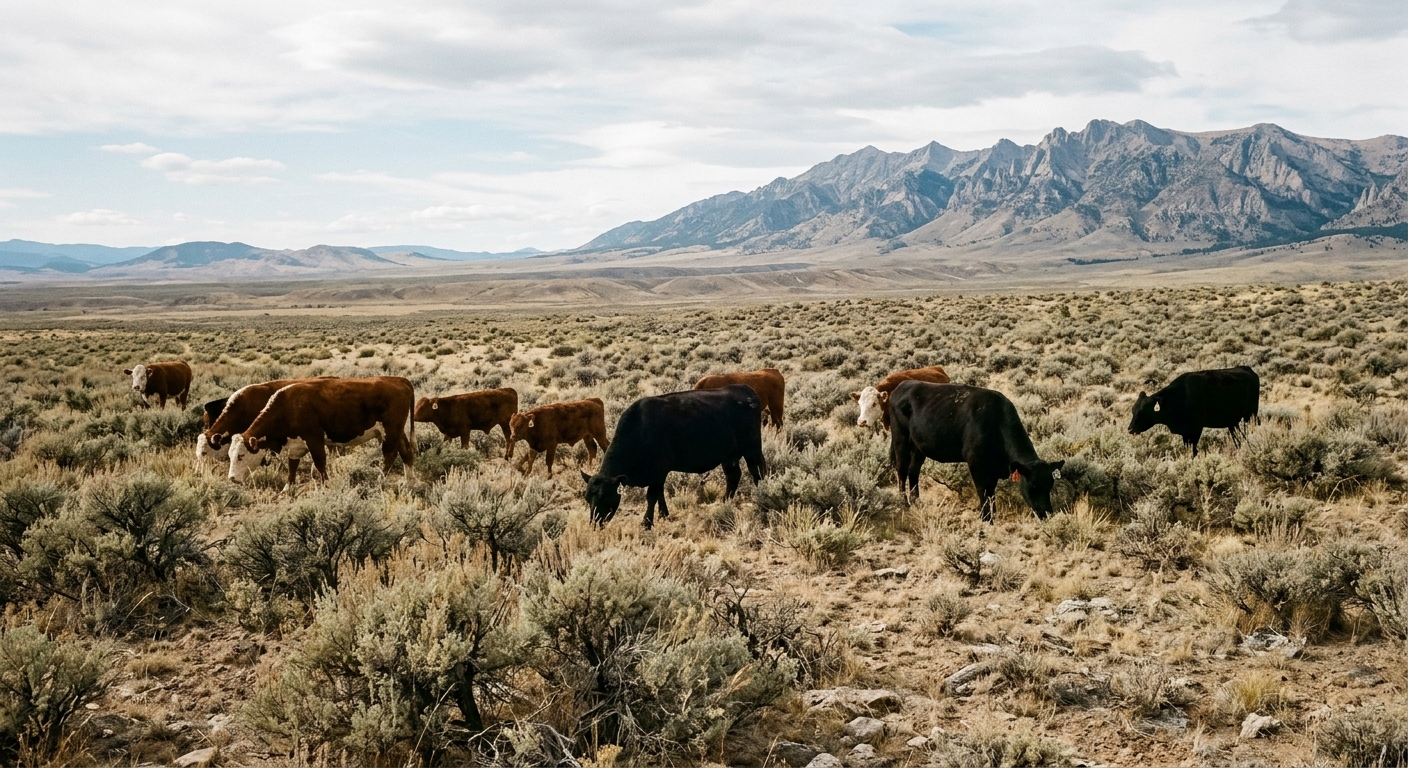
The Bureau of Land Management (BLM) is ushering in a sweeping overhaul of public lands grazing regulations, with Nevada poised to be significantly affected by the changes. In a move not seen since 1995, the federal government is revising how livestock grazing is managed across 155 million acres in the Western United States, aiming to expand cattle and sheep numbers—even as concerns over overgrazing damage and reduced oversight draw heated debate from local communities and environmental advocates.
Livestock Grazing Expansion at the Forefront
The proposed changes are designed to make it easier for ranchers in Nevada and neighboring states to access more federal rangeland for livestock grazing. By streamlining the process for obtaining grazing permits, regulators argue that longstanding administrative hurdles will be reduced. The BLM, which oversees some of the most extensive grazing landscapes in the region, has stated this effort seeks to strike a balance between agricultural productivity and rangeland management.
Key Changes in Grazing Regulations
The new grazing regulations would allow for broader ecological impact assessments, introduce informal systems for handling violations, and expand the definition of who can apply for grazing permits. However, they also restrict public participation by tightening rules about who may comment on or challenge BLM’s grazing decisions, a move that has drawn criticism from conservation and tribal groups across Nevada.
Concerns Over Environmental and Tribal Oversight
Opponents argue that these reforms tip the scale sharply in favor of ranching on public lands at the expense of wildlife, natural habitats, and Native American tribes. Environmental organizations cite the risks of increased erosion, waterway pollution, and diminished biodiversity due to expanded livestock numbers and reduced community oversight. The loss of regulatory checks, they warn, could worsen environmental impact and leave rangeland management decisions to just a handful of stakeholders.
Implications for Native American Tribes
Many Native American tribes in Nevada have long depended on equitable access to public lands for traditional bison grazing and ecosystem restoration. Tribal leaders express concern that the reforms remove important protections, potentially jeopardizing existing cultural and ecological programs. The new rules could reduce tribal capacity to challenge the expansion of ranching activities on lands historically significant to their communities.
The Role of Political and Industry Interests
The overhaul of public lands grazing policy comes after considerable lobbying by ranching trade associations and key officials within the Interior Department who have ties to the ranching sector. The Trump administration has framed the changes as necessary to support ranchers by removing what it considers burdensome restrictions and restoring previous policies seen as less favorable to livestock operators.
Nevada’s Stake in the Debate
Nevada, with its vast stretches of public lands, hosts a significant livestock industry that is closely invested in the outcome of these regulatory shifts. Local ranchers argue that faster, less complicated permitting will lead to more stable business conditions and improved productivity. Meanwhile, conservationists and residents urge regulators to prioritize sustainable rangeland management and ensure mechanisms remain in place for broad public participation.
Path Forward for Nevada Communities
As public review unfolds, Nevadans are watching closely to see how the final version of the grazing regulations balances the needs of agriculture with the imperative to protect vulnerable ecosystems and cultural practices. With the region at the center of the public lands grazing debate, all eyes are on how the BLM will navigate competing interests and the long-term environmental impact of policy decisions affecting the Western landscape.