- calendar_today July 15, 2026
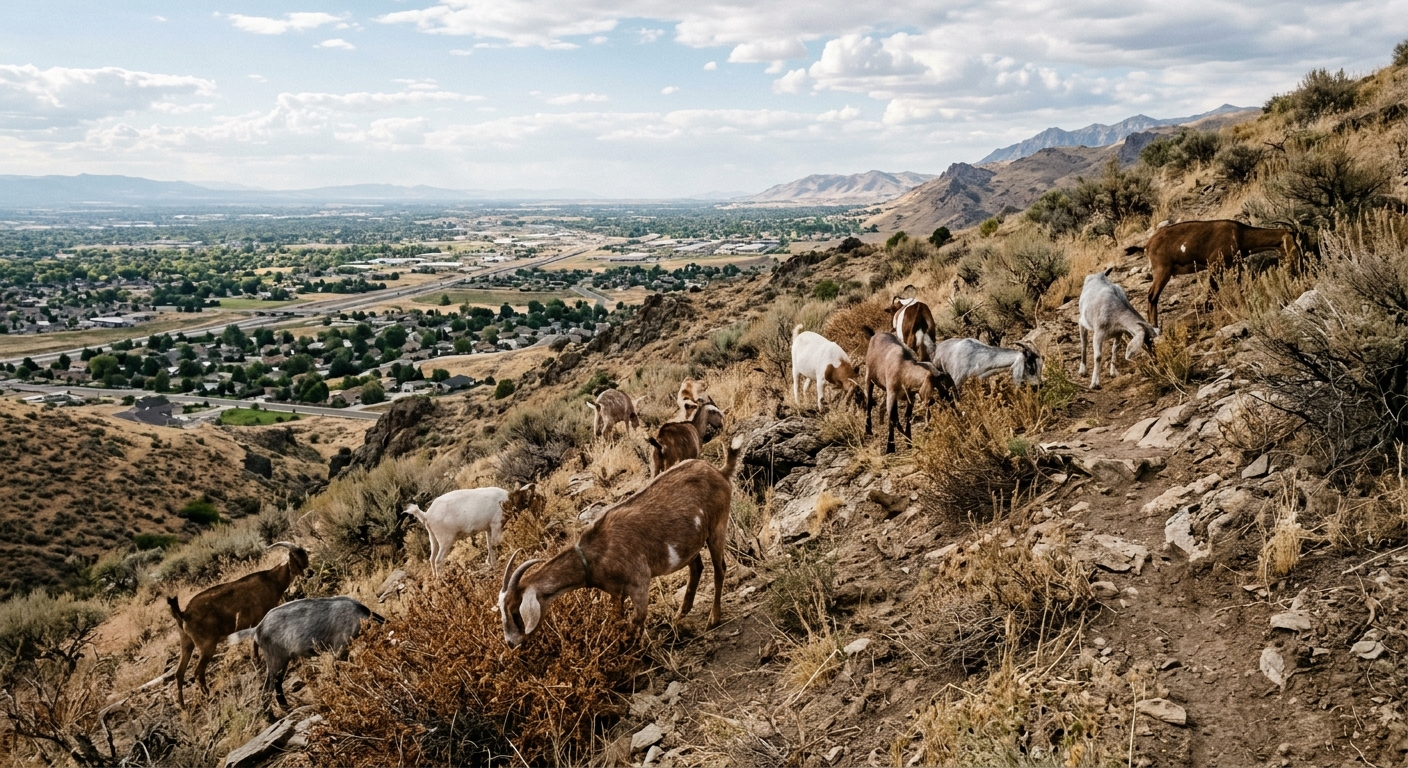
The state of Nevada is taking an innovative approach to wildfire prevention with the recent introduction of its first official goat grazing program. This initiative, led by the city of Sparks, is designed to address the growing need for vegetation management and to minimize the risk of widespread fires during the region’s arid months.
Enhancing Fire Risk Mitigation Through Traditional Practices
Goat grazing has become an increasingly popular tool in fire risk mitigation strategies. By deploying herds of goats and sheep, land managers can effectively reduce dry underbrush and other fire-prone vegetation in a natural, chemical-free manner. This form of natural vegetation control has long been used in other areas, including nearby Reno and across federal lands in Nevada, and now marks a proactive shift for Sparks.
A Proactive Step for Community Safety
The city of Sparks’ goat grazing program reflects a larger commitment to wildfire prevention rooted in sustainability. By integrating sheep grazing alongside goat herds, municipal leaders are emphasizing a sustainable wildfire control model that not only protects neighborhoods but also benefits local ecosystems. Leaders in the city of Sparks see this as a way to reduce the buildup of dry grasses that often serve as fuel for catastrophic wildfires.
The Importance of Vegetation Management
As communities throughout Nevada experience longer dry seasons and increased wildfire activity, vegetation management has become a top priority for public safety officials. Through the goat grazing program, Sparks is embracing an environmentally conscious approach, aiming for wildfire risk reduction that serves both residents and the regional landscape. Experts note that controlled grazing can help maintain healthy soil, promote native species, and prevent invasive plant growth.
Eco-Friendly Wildfire Control Set to Expand
Advocates of eco friendly wildfire control have highlighted the dual benefits of these programs: they limit the use of mechanical equipment and herbicides, while offering a proven, low-impact method for maintaining large tracts of land. The adoption of goat grazing and sheep grazing underscores Sparks’ adaptive strategy, which is increasingly relevant for agencies and landowners across Nevada facing the challenges of severe fire seasons.
Regional Collaboration and Future Outlook
With Sparks joining Reno and other Nevada municipalities in implementing natural vegetation control measures, there is growing momentum around collaborative solutions for fire risk. Officials anticipate that the positive outcomes of the current pilot program will encourage more communities to consider similar goat grazing initiatives. As the region’s population continues to expand and urban boundaries push closer to fire-prone landscapes, sustainable wildfire control methods are likely to play a central role in long-term planning.
Conclusion: An Adaptive Model for the West
The city of Sparks’ adoption of a goat grazing program highlights how innovative, community-focused approaches can address urgent wildfire prevention needs. As Nevada communities evaluate holistic strategies for wildfire risk reduction, this eco-friendly method stands out as both responsible and effective—offering a model that could inspire similar efforts throughout the West.