- calendar_today August 12, 2025
Introduction
Nevada, which prides itself in its thriving tourist economy, healthy logistics sector, and expanding technology industry, has to deal today with economic realignments prompted by former President Donald Trump’s trade policy maneuvers. As new tariffs are introduced and international trade agreements are retooled, Nevada businesses and investors are keeping a close eye on how these actions might impact the state’s economy. Major sectors like manufacturing, tourism, retail, and tech are already experiencing initial disruption and are reviewing strategies to prepare for what lies ahead.
Business and Investor Sentiment: Observing the Markets
Trump’s policies have triggered a wave of uncertainty throughout the U.S., and Nevada is no different. Investors, entrepreneurs, and financial planners in the state are attempting to make sense of the new developments. Most are describing mixed emotions regarding the future. Some are in favor of efforts to safeguard American-made products, but others are concerned with the implications for international trade and the economy.
One of the direct consequences is volatility in the stock market. Investors within Nevada are seeing day-to-day fluctuations in the performance of the market, mostly based on concerns regarding tariffs and international trade tensions. Such volatility does make long-term planning more difficult for both businesses and individuals.
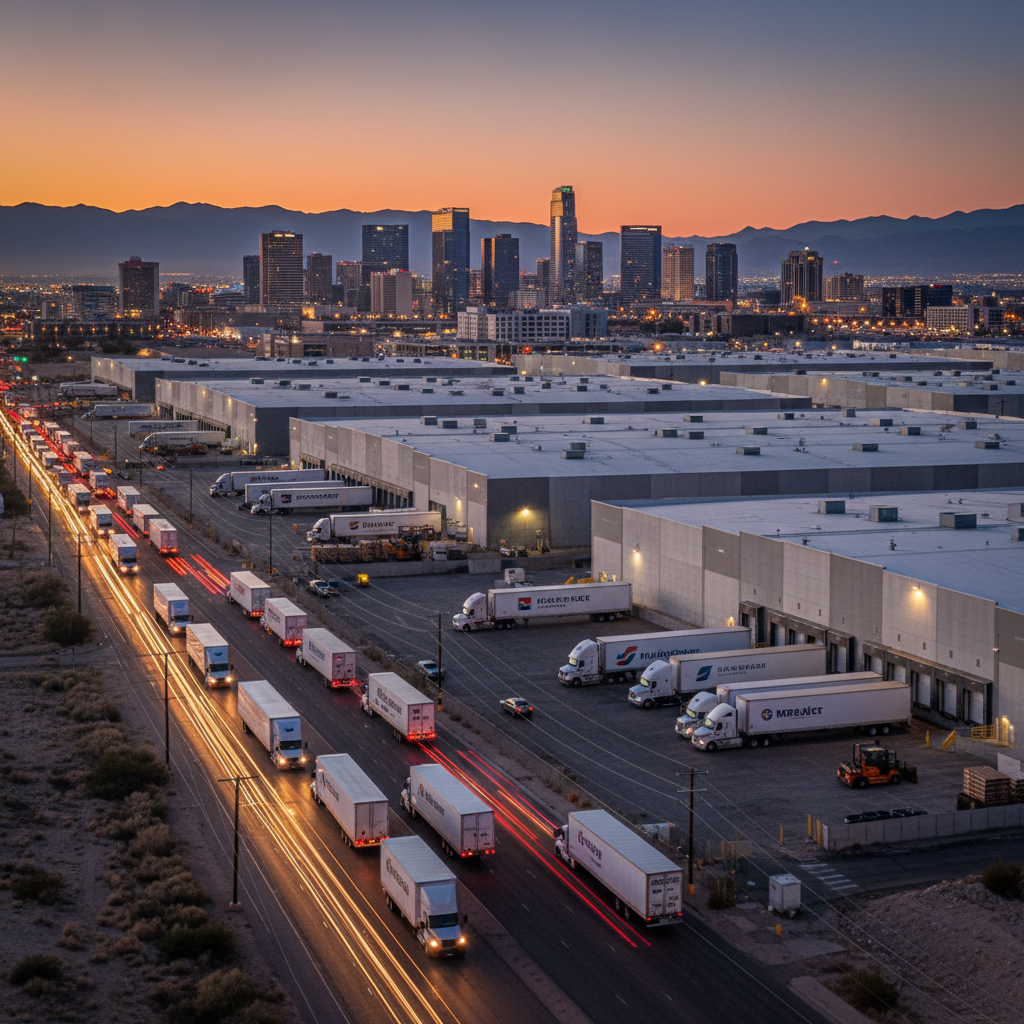
Moreover, supply chain disruption is becoming a source of concern for manufacturing and logistics firms in Nevada. Most businesses are reliant on imported goods and materials. Increased tariffs translate into increased costs that can result in delays in production processes, hikes in prices, and even layoffs.
How Trade Policy Changes Affect Key Sectors
Trump’s trade policy changes involve raising tariffs on imported goods and reshaping trade agreements with other countries. These shifts are having real effects across Nevada’s industries.
Manufacturing and Logistics
Nevada’s logistics and manufacturing sectors are dependent upon worldwide supply chains. Tariffs placed on raw materials, such as steel and aluminum, result in it now being more costly to make things domestically. That slows down manufacturing, raises costs, and can affect the ability of the state to compete at home and abroad.
Retail and Consumer Goods
Nevada retailers are also caught in the squeeze. Products such as apparel, electronics, and home appliances—most of which are imported—now cost more. Consequently, companies are increasing prices, and consumers are being more frugal with spending. Some retailers are even considering changing their inventory plans and seeking alternative vendors to prevent additional expense.
Tourism and Hospitality
Las Vegas, among Nevada’s biggest economic drivers, relies on tourism. However, if tariffs increase the cost of goods and services, individuals will travel less or spend less when they come. Also, if tensions over trade inhibit international visitors, the state might receive fewer foreign visitors, which would affect hotel reservations, casino revenues, and area attractions.
Experts Share Their Insights
Nevada’s business leaders and economic experts closely monitor the situation. Some recommend that businesses go through their supply chains and investigate alternative sources of materials and products. Others encourage businesses to diversify their investments and not invest too heavily in one market or product line.
Investors are also making changes. With market fluctuations occurring more and more often, many are moving towards more stable or home-market-oriented assets. There is increasing interest in local investment and industries that are less reliant on foreign trade.
What’s Next for Nevada’s Economy?
Although the full effects of these trade shifts will take time to reveal themselves, there are a few major trends to monitor:
Soaring Prices: As the tariffs raise the price of goods, inflation could rise, impacting everything from food to building materials. Companies will have to budget for increased costs, and consumers will feel it in their everyday budget.
Shifts in Trade Relations: Nevada businesses that depend on international trade are observing how American relations with nations such as China, Canada, and Mexico develop. New trade deals might work in their favor or against them, depending on the terms.
Changes in Business Strategies: Others are already shifting the way they do business—updating lists of suppliers, curbing expansion plans, or exploring local alliances to minimize risks attached to international markets.
Conclusion
Nevada is in transition as it withstands the economic impacts of Trump’s policy shifts in trade. While some in-state companies might prosper from added emphasis on American goods, most others are grappling with increasing expenses and market volatility. Manufacturing, retailing, and tourism industries are already adapting to fend off additional disruption.
As the state looks on to monitor developments in global trade, it’s obvious that flexibility and wise planning will be the way forward. Nevada’s economy is robust, and with proper strategies, investors and businesses can ride these changes and even discover new areas of growth.