- calendar_today August 18, 2025
Nevada Businesses and Consumers Set for Potential Economic Reversal after Atlanta Fed Revised Estimate
Introduction
Nevada’s economy is still in doubt after the recent Atlanta Federal Reserve report that forecasted a modest one-rate reduction in 2025. The anticipated reduction is likely to have profound ripple effects on the state’s major sectors, such as real estate, tourism, and manufacturing. With borrowing costs staying high for longer, Nevada consumers and companies are bracing for possible adversities. The conservative approach of the Fed to monetary policy could re-model the economy of Nevada, leading the surrounding industries to seek means of adapting accordingly. Understanding the Fed’s Revised Rate Outlook
The updated 2025 forecast by the Atlanta Fed has caught the attention of financial analysts and business brains across the nation, but especially in Nevada. Financial analysts originally forecasted lower rates of cuts to stimulate economic growth, especially after years of rising interest rates. The updated forecast now expects slower and more gradual methods to problems where only a single cut in the rate is expected to occur in the year 2025.
Impact on Nevada’s Major Economic Industries
Real Estate and Housing Market
Nevada’s real estate sector has been negatively impacted by the recent interest rate increases. So long as borrowing costs continue to be high, the state’s housing real estate market could see further declines. The higher mortgage rates already have dampened home buying, and the anticipated rate cut in 2025 could prove to be inadequate to generate new demand for the housing sector.
First-time buyers are most affected, with payments remaining steep. Builders and developers can also delay or put off projects until demand is expected in a higher cost of financing environment. As such, prices for housing would stabilize or drop slightly, especially in areas that have experienced overproduction of houses in the last two years.
Tourism and Hospitality
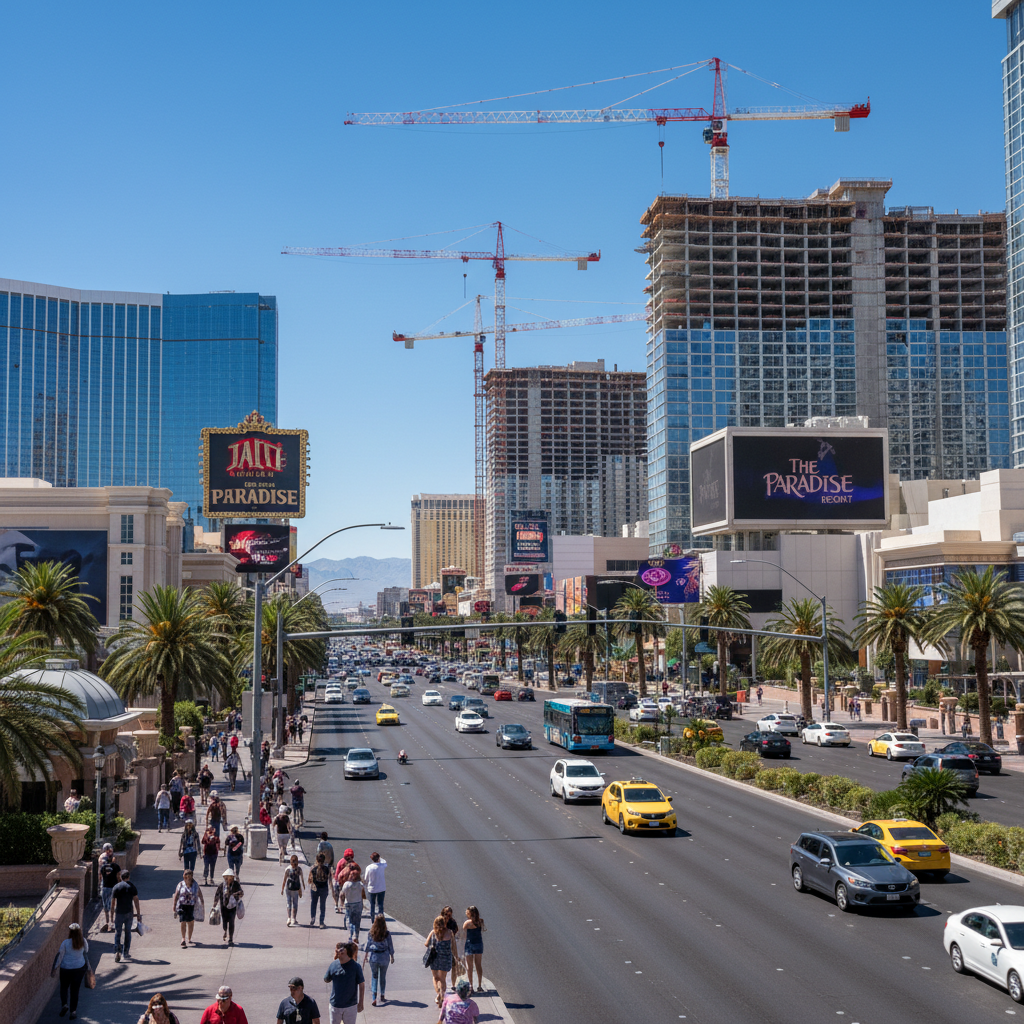
Nevada’s hospitality and tourism industries are major drivers of the state economy since Las Vegas is a host to a global tourist market. Higher cost borrowing does affect tourist businesses that apply capital expenditures for renewing facilities, enhancing products, or incurring new travelers.
Although Nevada remains a top tourist destination, the decline in consumer expenditure as a result of higher credit costs can reduce discretionary incomes. The tourists can spend less on food, lodging, and recreational activities. Moreover, hospitality companies can face higher cost in terms of capital expenditures, i.e., refurbishing hotels or casinos, which can prevent the growth of the tourist sector in the near term.
Manufacturing and Construction
Nevada’s manufacturing and construction sectors may also feel the squeeze of the Fed’s restraint. Both rely on borrowing to finance large projects, such as new building complexes, and purchasing heavy equipment and machinery. With the prospect of pricier borrowing on the horizon, businesses in these sectors would hold back or go elsewhere before venturing into expansion projects.
The Impact on Local Consumers
Higher interest rates will cause Nevada’s consumers to pay more expensive loans on higher-ticket items like autos, houses, and even credit card charges. As the cost of lending remains high, citizens will reduce or delay spending, particularly in the most vital areas of auto and home buying.
Following the Fed’s revised interest rate forecasts, investors in Nevada will have to learn to tighten the belt a little.
Interest-rate-sensitive property and building industries that tend to perform badly in rising cycles may have their stock prices oscillate in a seesaw or rise marginally more gradually. Investors may be forced to rebalance their portfolios to dispose of interest rate-sensitive sectors so they can invest in less interest rate-sensitive ones or those that will remain resilient during tough times.
Consumer Concessions and Economic Resilience
The diversified economy of the state, along with a thriving entertainment and tourism sector and a stable tech sector, provides some insulation to the Nevada economy. Even when consumers cut back on spending in reaction to higher interest rates, state economic diversification absorbs some of the negative impacts of this policy change.
Conclusion
As the Atlanta Fed predicts a soft one-rate reduction in 2025, Nevada’s economy faces difficult times.
Industrial, real estate, construction, and tourism sectors will still grapple with increased borrowing costs. Nevertheless, Nevada’s diversified economy, its healthy tourism sector, and solid technology sector will still provide growth opportunities while interest rates rise. As humans and businesses respond to the adjustments, prudent decision-making and planning will become the order of the day in adapting to the rapidly evolving economic environment of Nevada.