- calendar_today July 25, 2026
In Nevada, regenerative agriculture is emerging as a promising response to growing concerns over the declining nutrient density of conventionally grown crops. This approach is gaining attention from local farmers and agricultural experts, as research points to reduced levels of essential vitamins and minerals in fruits and vegetables over recent decades.
Declining Crop Nutrition Sparks Regional Alarm
The drop in vital plant nutrients such as vitamin C, calcium, and vitamin A in many popular produce items has caught the eye of both consumers and policymakers across Nevada. The state’s agricultural communities have watched as conventional agriculture practices, focused on high yields and rapid crop cycles, have inadvertently led to a decrease in overall crop nutrition. Elevated carbon dioxide levels further exacerbate the problem by increasing plant sugars while reducing nutrient density.
Linking Soil Health to Nutrient Density
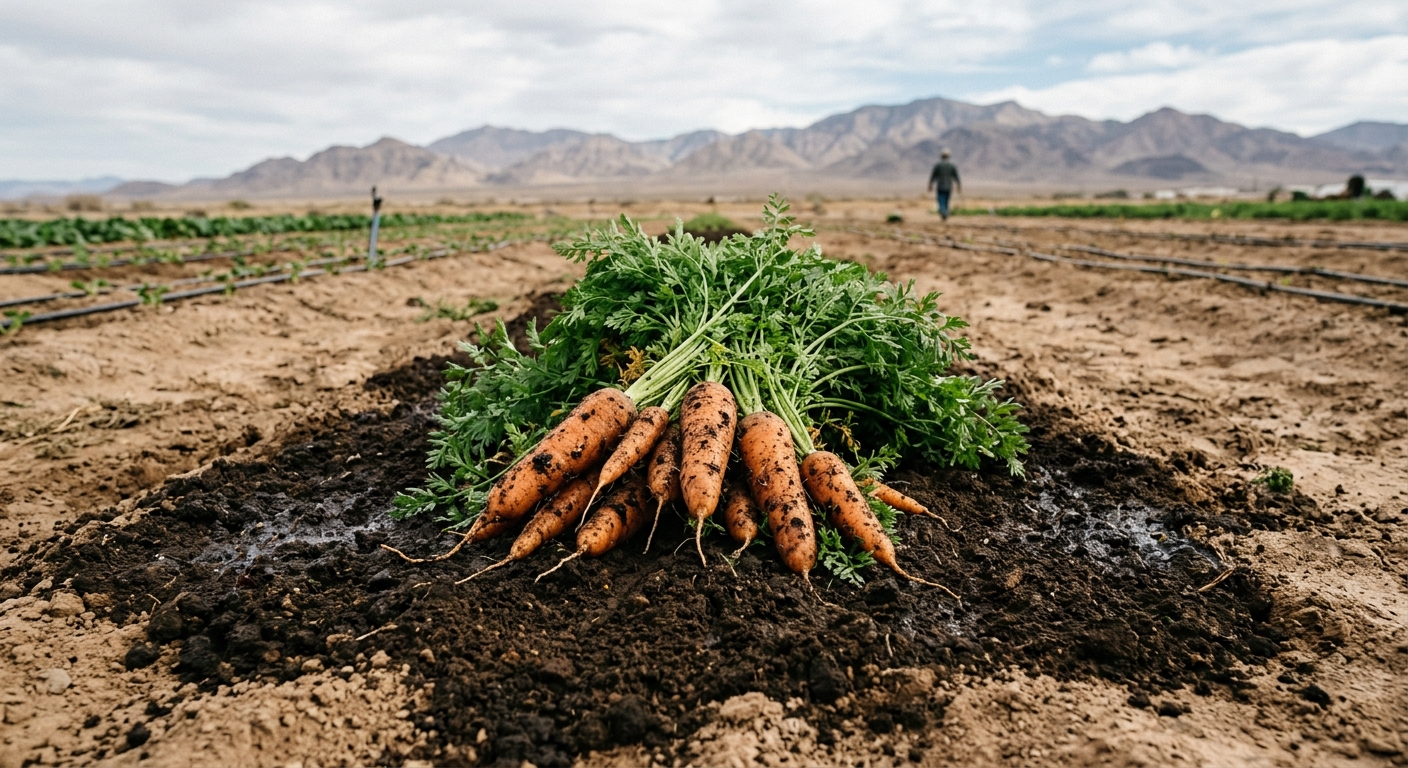
Soil health is at the center of the regenerative agriculture movement, as advocates argue that robust soil ecosystems support improved nutrient uptake by crops. In Nevada’s arid climate, building soil organic matter through cover cropping, composting, and minimal tilling has proven particularly relevant. Studies at both local and national levels highlight that crops such as kale, peas, and carrots grown on regenerative farms can have significantly higher nutrient levels than those grown conventionally. This boost in food nutrition offers hope for communities seeking healthier diets and enhanced public health outcomes.
The Principles of Regenerative Practices
Unlike traditional organic farming, regenerative agriculture places a special emphasis on rebuilding and maintaining the health of soil ecosystems. Techniques like rotating crops, reducing chemical inputs, and maintaining ground cover are designed to enhance soil organic matter and promote ecosystem resilience. Nevada farmers experimenting with these methods report improvements not only in soil structure and fertility but also in the nutrient content and flavor of their produce.
Challenges and Criticisms in Scaling Up
Despite encouraging results, regenerative agriculture faces notable hurdles. Critics point to higher labor costs, increased management complexity, and skepticism about whether the approach can be implemented on a large scale. Some also warn of potential greenwashing, where farming operations market themselves as sustainable farming leaders without fully adhering to regenerative principles. Others caution that consumers may overestimate the nutritional gains, potentially overlooking the need for a balanced diet.
Integrating Sustainable Farming for Nevada’s Future
Proponents argue that regenerative agriculture represents more than a series of techniques—it signals a philosophical shift in agriculture practices toward long-term stewardship of the land. As more Nevada farmers consider adopting these strategies, universities, local extension offices, and nonprofit organizations are providing technical assistance to support the transition. The hope is that focusing on soil health and sustainable farming can help reverse declines in crop nutrition, strengthen the resilience of the regional food system, and nurture Nevada’s diverse agricultural heritage.
A Path Forward for Food Nutrition and Biodiversity
Looking ahead, regional experts predict that widespread adoption of regenerative agriculture could offer substantial benefits for both food nutrition and ecological health. By prioritizing soil ecosystems and enhancing soil organic matter, Nevada’s farming sector may help set new national standards for the production of nutrient-dense, sustainably grown foods. As the conversation continues, the region remains at the forefront of agricultural innovation with a renewed focus on the health of both land and community.