- calendar_today August 31, 2025
WhatsApp is finally doing something that it’s been promising to do for years: adding ads to the messaging app.
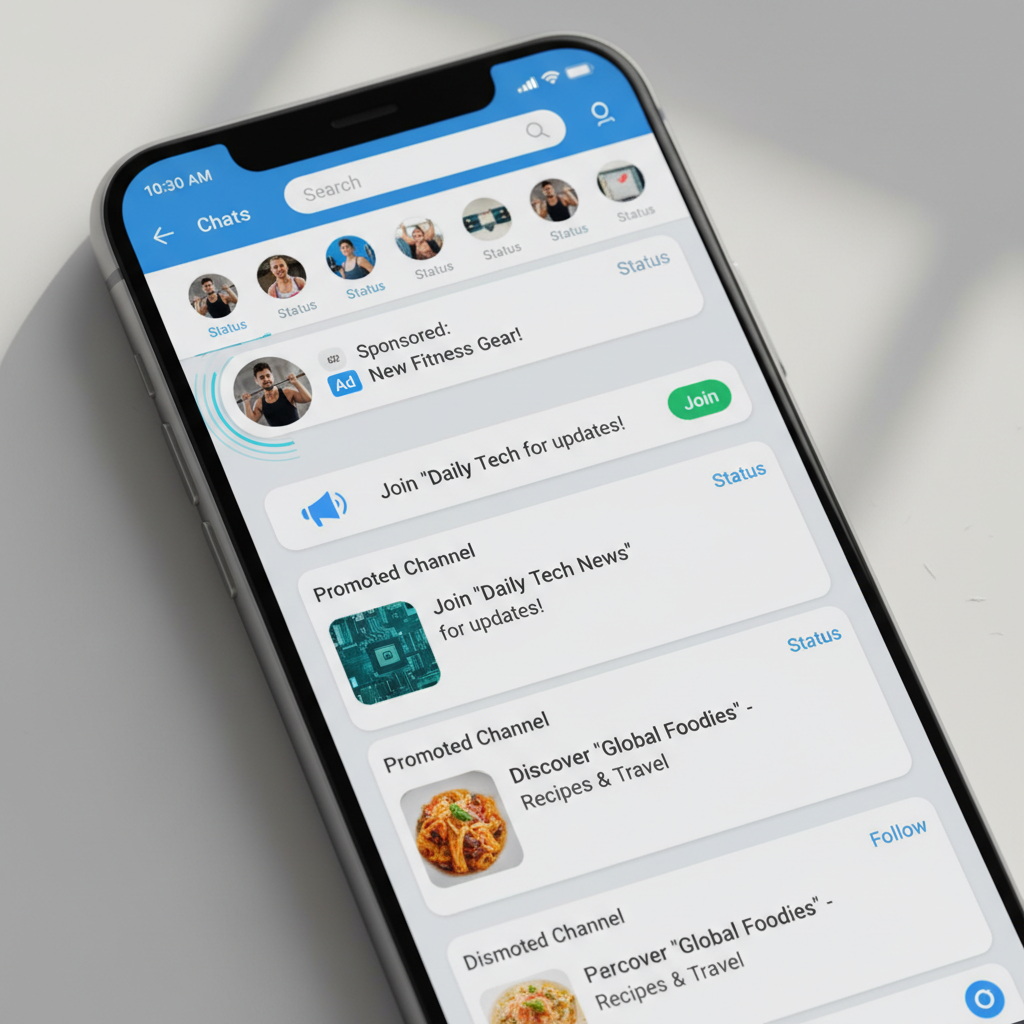
Starting now, some users in Brazil will begin seeing a new ad format in the app’s “Updates” section, which shows “Status” updates from other users, or subscribe to “Channels” about topics they care about. These updates are the first ads ever shown in WhatsApp. But, importantly, Meta, the company that owns WhatsApp, is assuring that these ads won’t show up in personal messages. Instead, the company says the placement is meant to not interrupt user chats.
That said, the ad format is already testing. Meta says ads are rolling out to users “starting today” in Brazil. Additionally, the company has been testing ads in the Updates tab in India for some time.
When Meta initially announced the new ad format, I’m told it had the backing of WhatsApp employees. However, WhatsApp workers felt that this was necessary to maintain the health of the platform. Others in the company disagreed, with many concerned that this would undermine WhatsApp’s positioning as a private, non-commercial app. And while WhatsApp does have ads in its global version, these don’t look or feel like they belong in the app.
However, the fact that these are being introduced in the Updates section is crucial. This part of the app allows users to post “Status” updates, which include pictures, videos, and text, that disappear after 24 hours. It also shows “Channels” about topics that users can subscribe to.
As we understand, WhatsApp began testing the ad format on this part of the app because it wants to ensure it doesn’t upset regular users. That’s why you won’t see these ads in chats or groups. Meta tells me that this placement isn’t meant to disrupt the user’s messaging experience. The company is assuring users that this will only be a small percentage of overall updates.
WhatsApp claims that 1.5 billion people visit the Updates tab daily. This gives Meta a lot of visibility, especially when the user engages with this section often. If you’re one of the folks who don’t engage with this tab, then you might not even see the ads at all.
To date, the only way for a business to show up in the Updates section was if they had an official business account, and that account was the one that you’ve added to your Contacts list. WhatsApp has said that these updates will also feature other businesses, so now you can follow them. The only difference is that instead of Status updates from your friends, you’ll see products.
These new ads will look just like regular updates from your friends, except that there will be an option to message the business directly from the post. That will create a 1-to-1 channel between the business and the user, which is something that’s currently not available on the app. This is a way to create a direct connection between a consumer and a business.
In addition to this, you’ll be able to see more Channel suggestions and start following them, which can be ads. This will let you find new content to follow and connect with new creators. When users follow these channels, it gives them a way to connect with more creators and engage with them.
Finally, businesses can now pay to promote their channels in the app. This will let users find new content that they’re interested in. It’s another way for content creators to monetize their work on the platform, while also giving WhatsApp a new way to make money.
It’s worth noting that Meta didn’t mention the new ad format in its F8 developer conference in 2020, even though the company showcased some of its new business-friendly features. There, WhatsApp’s SVP Stan Kroenke said the company is “taking a business-friendly approach to messaging.” He explained that, in many ways, this is a natural evolution of the platform.
That’s because businesses have already been using WhatsApp’s business platform and placing click-to-WhatsApp ads on Facebook and Instagram. Both of these business tools have become incredibly popular. The company has grown the number of monthly active users to over 60 million and its usage of more than 175 million people. With more people engaging with the Business Platform, it makes sense that WhatsApp would also explore advertising in the app.
There’s been a significant backlash from WhatsApp workers, many of whom are concerned about the potential for advertising to harm the platform’s trust. WhatsApp has long marketed itself as a private, safe place to chat. Adding ads into the mix has long been a concern, and even as far back as 2018, I wrote that it seemed inevitable that WhatsApp would add ads. It’s just a question of how much this will look like ads in the platform.
When WhatsApp announced the new ads in April, Meta’s head of WhatsApp said that the new ads will not be in the “massenger,” which refers to the chat feed in the app. He added that users can block the ads if they don’t want to see them. Since then, it appears that this will only be a small percentage of the overall updates. This has helped the company get out ahead of the complaints and pushback that might have come from this change.
The changes will allow users to manage their ad preferences. If you see an ad, you’ll be able to see why it’s showing up in your feed, hide the ad, or even block the business. You can even report the ad.
The way WhatsApp has structured the ads is different from what you’d see in the Status tab. It doesn’t involve the regular updates that people are making, instead, the app will suggest ads based on what you’re doing on the app. For example, if you’ve been looking at video game content in the Channels tab, then the app will show you ads from companies in that category.
Until now, WhatsApp has made money through its Business Platform, and Facebook and Instagram ads that send users to chat with them. Meta CEO Mark Zuckerberg said last year that business messaging is one of the fastest-growing areas of its business. He even suggested that WhatsApp could be the source of a new business vertical for the company, and he might be right.
There are other signs that Meta is trying to bring the ads to WhatsApp, even though it’s starting small. Meta has opened up a separate space in the Company’s Capital Hill office for WhatsApp employees, and just last month, Meta CEO Mark Zuckerberg announced that the company was developing a new portal called the Discovery Engine that will help new users find creators on the platform.
Discord recently introduced ads in the app, which seems to be the beginning of a similar move by a chat app. Twitter introduced its advertising efforts to push back on misinformation. And while Facebook’s ad placements have moved into the top newsfeed, Reddit has also grown its ad product to help it turn profitable for the first time.
With almost all major social apps becoming increasingly reliant on advertising, WhatsApp’s new ads are following a trend. It’s only natural that the company would look for ways to help its users find the content they want, while also generating revenue. The addition of these new ads might not change the experience for most users, but there’s room for this to grow. WhatsApp has long promised to stay ad-free, but as Meta continues to need to make money, the company is getting what it needs to help that happen.