- calendar_today September 15, 2026
Reno, NV — Nevada politics are at a crossroads in 2026 as heated debates over data centers reshape electoral strategy and intensify community dialogue across the state. With Nevada elections looming, data centers have emerged as one of the most contentious issues on the ballot, influencing everything from campaign spending in the 1st congressional district to high-profile endorsements and statewide legislative proposals.
Data Centers Ignite Policy Battles in Nevada Elections
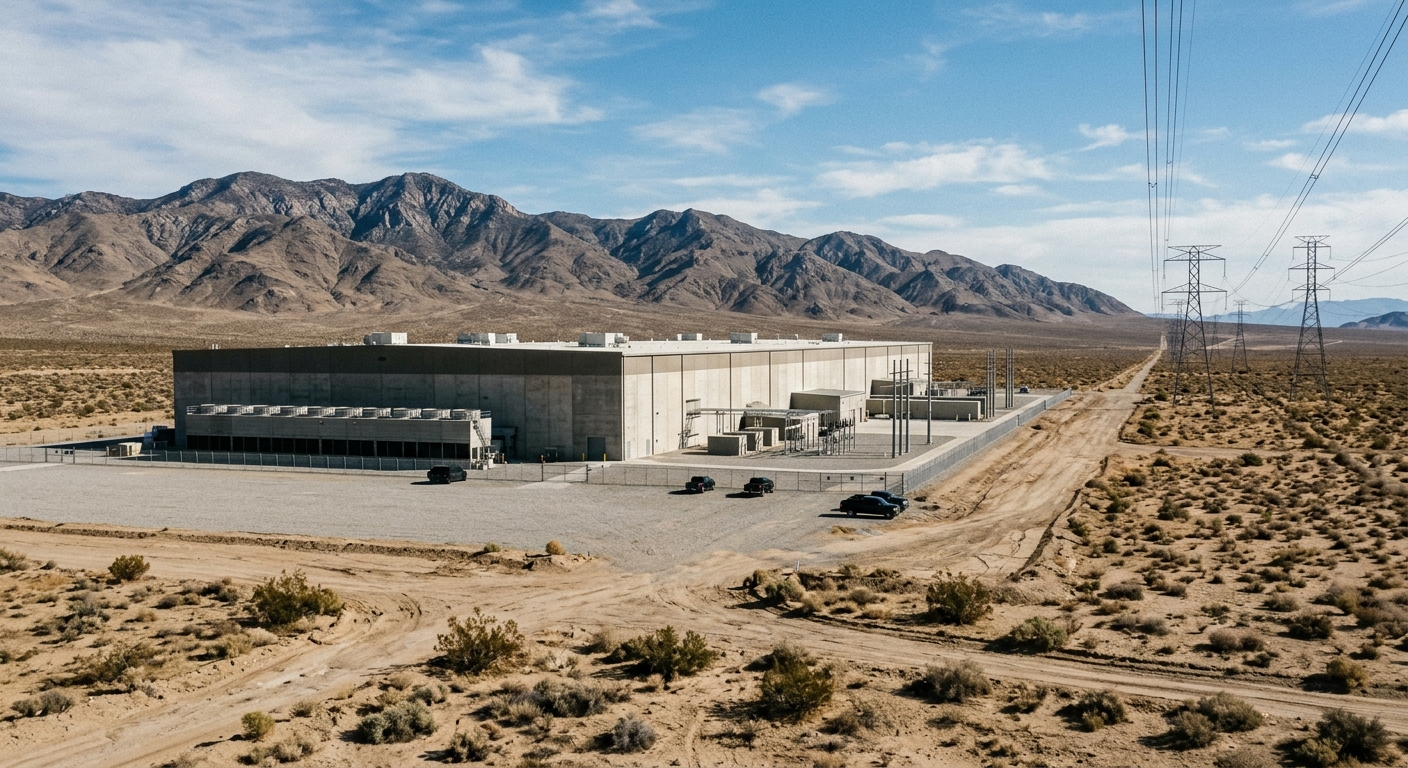
As technology investment surges, data centers have become a focal point of policy debate in Nevada politics. The state’s rapid infrastructure expansion has led to an array of large-scale data centers planned for both urban and suburban areas. This boom comes amid rising concerns about the tax incentives provided to these facilities, their environmental impact, and the growing number of legislative proposals aimed at regulating their proliferation.
Governor Race Centers on Tax Breaks and Community Impact
Candidates in the governor race—incumbent Aaron Ford and former sheriff Joe Lombardo—are publicly clashing over their past and present support for data centers. Ford, buoyed by a critical political endorsement from the Retail Association of Nevada, has proposed revisiting tax incentives and tightening oversight. In contrast, Lombardo has criticized recent moratoriums, arguing that data centers bolster Nevada’s economy but calling for more robust public opinion surveys before approving future projects near residential neighborhoods.
Public Opinion and Legislative Proposals Reflect Community Concerns
Recent public opinion polls underscore the skepticism many Nevada communities feel toward building new data centers close to their homes. Lawmakers across party lines have responded with a bevy of new legislative proposals—some aiming to curtail existing tax incentives while others call for outright bans or extended moratoriums in select counties. The intensity of these proposals reflects heightened community activism and signals a shift in statewide priorities for economic development and land use.
Campaign Spending Escalates in Nevada’s Congressional Districts
Across the state, campaign spending in Nevada elections has soared, particularly in the 1st congressional district where Republicans have significantly outspent their Democratic challengers. Observers point to the controversy around data centers as a driving factor, with both major parties tailoring advertisements to voter concerns over environmental stewardship and equitable tax policy. The issue has sharpened lines between candidates and invigorated grassroots organizing in key districts.
Endorsements and Union Dynamics Influence Political Landscape
The endorsement landscape continues to shift as organizations evaluate their political alliances in the face of evolving public opinion. The Retail Association of Nevada surprised many by endorsing Governor Aaron Ford, partly due to his nuanced position on data center regulation. Simultaneously, internal controversies within the culinary union have spilled into the public eye, with leadership disputes and calls for greater transparency drawing attention during an already tumultuous campaign season.
Ethics, Events, and the Road Ahead
Ethical disputes between top candidates have further animated Nevada politics, as allegations of conflicts of interest and transparency lapses surface in debates and public forums. Meanwhile, attention turns to upcoming election events, including state-wide town halls and policy roundtables, where voters are expected to press candidates on their vision for Nevada’s economic future and the fate of the state’s burgeoning data center industry.
As the 2026 elections approach, the intersection of data centers, campaign spending, and evolving legislative proposals highlights how economic and community issues are shaping the direction of Nevada politics. With public opinion firmly in the spotlight, candidates and community leaders alike are called to address regional priorities and respond to the rapidly changing landscape.